
Sciatica and Hot Tub Therapy: Can Warm Water Help That Radiating Nerve Pain?
Sciatica is a particular kind of miserable. It isn’t just pain in one place—it’s pain that travels, burning or shooting from your lower back through your buttocks and down your leg, sometimes all the way to your foot. It changes how you sit, how you sleep, whether you can get through a workday without shifting constantly in your chair, and whether a simple walk around the block feels manageable. For people dealing with it in Longmont and the surrounding Front Range communities, finding consistent relief is less a preference than a necessity.
At Mountain Mist Spa & Sauna, we talk with a lot of customers who are managing sciatic nerve pain and want to know whether a hot tub will genuinely help or just feel good in the moment. The honest answer is that it depends on what’s causing your sciatica—but for many of the most common presentations, warm water hydrotherapy addresses the pain in ways that few other home treatments can match. Here’s what you need to understand to use it effectively.
What’s Actually Causing Your Sciatica Matters
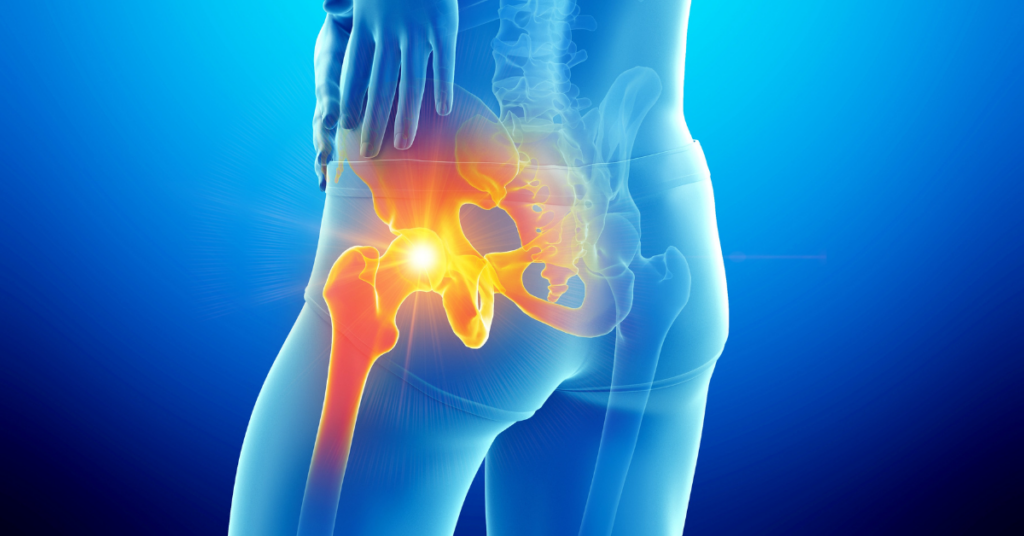
Sciatica isn’t a diagnosis on its own—it’s a symptom of something compressing, irritating, or inflaming the sciatic nerve, which runs from your lower back through your hips and buttocks and branches down each leg. The most common cause is a herniated or bulging lumbar disc pressing on a nerve root. Others include spinal stenosis, degenerative disc changes, bone spurs, or piriformis syndrome—a condition where the piriformis muscle deep in the buttocks compresses the nerve directly.
Why does the cause matter for hot tub therapy? Because different causes respond differently. Muscle-driven sciatica—particularly piriformis syndrome—often responds dramatically to heat and hydrotherapy because the treatment directly addresses the source. Disc-related sciatica frequently responds well too, though the hot tub manages symptoms rather than correcting the structural problem. Severe disc herniations or significant spinal stenosis may require medical intervention that hydrotherapy alone can’t provide.
This is why a conversation with your healthcare provider before starting a hydrotherapy routine for sciatica is genuinely worthwhile—not a formality, but a practical step toward knowing what you’re working with and what to expect.
How Warm Water Addresses Sciatic Nerve Pain
Hot tub therapy works on sciatica through several overlapping mechanisms, which is part of what makes it more effective than most single-approach treatments.
Breaking the Muscle Tension Cycle
When the sciatic nerve is irritated, the muscles surrounding it often go into protective spasm—a natural reflex that unfortunately makes things worse. Tightened muscles press harder on an already compressed nerve, which triggers more pain, which perpetuates more tension. It’s a loop that can be genuinely difficult to interrupt through willpower or stretching alone.
Warm water penetrates deep into muscle tissue in a way that surface heating pads simply can’t replicate, allowing tight, guarding muscles to genuinely let go. For many sciatica sufferers, the experience of feeling those muscles release in warm water is immediate and unmistakable. For piriformis syndrome specifically, this deep heat targeting the piriformis muscle is often more effective than anything else patients report trying.
zSpinal Decompression Through Buoyancy
Submerged to shoulder level, your body carries roughly 10 percent of its normal weight. For a lumbar spine that’s been under gravitational compression all day—particularly one with a disc issue or narrowed spinal canal—this unloading creates real mechanical relief. Space opens between vertebrae. Pressure on nerve roots eases. Many people notice improvement in their symptoms within the first minute or two of immersion, before the heat has even had time to fully work.
This is one of hot tub therapy’s most clinically meaningful benefits for sciatica, and it’s something no heat therapy on land can provide.
Circulation and Inflammation
Heat dilates blood vessels and significantly increases local circulation, delivering oxygen and nutrients to irritated tissue while clearing the inflammatory compounds that keep nerve pathways sensitized and painful. Acute inflammation serves a healing purpose, but chronic inflammation around a nerve root perpetuates pain well past the point of usefulness. Consistent heat therapy helps resolve this chronic inflammatory state over time, gradually reducing the chemical irritation that amplifies pain signals.
Jet Massage and Pain Gate Theory
Targeted jet therapy adds a dimension that passive soaking alone can’t provide. The pressurized massage from hydrotherapy jets activates sensory receptors in a way that can interrupt pain signal transmission—essentially competing with and reducing the intensity of what your brain registers as pain. Strategically directed jets at the lower back, hips, and along the affected leg combine pressure and heat in a way that delivers relief many people describe as unlike anything else they’ve experienced for nerve pain.
Which Sciatica Presentations Respond Best
Muscle-related sciatica and piriformis syndrome tend to see the strongest response to hydrotherapy, since the therapy directly addresses the underlying cause. Mild to moderate disc-related sciatica also responds well for most people—not because hot tub therapy repairs the disc, but because it addresses the muscle tension, compression, and inflammation that amplify the nerve pain. Chronic sciatica with a persistent inflammatory component often improves meaningfully with regular sessions, as the anti-inflammatory effect accumulates over time and gradually reduces baseline pain levels.
Where hot tub therapy has limits: severe disc herniations with significant neurological symptoms, advanced spinal stenosis, or any sciatica presenting with red flag symptoms—leg weakness, inability to walk normally, or loss of bowel or bladder function—require prompt medical evaluation, not home hydrotherapy.
A Protocol That Works: Temperature, Timing, and Positioning
Getting the approach right matters as much as showing up consistently.
Temperature and Session Length
For sciatica, a water temperature of 98 to 102 degrees Fahrenheit tends to be the sweet spot—warm enough to produce genuine therapeutic benefit without creating the cardiovascular strain that hotter water can introduce. Some people find that slightly cooler water works better during flare periods, while warmer temperatures help more with chronic baseline stiffness. Fifteen to twenty minutes is sufficient; longer sessions don’t proportionally increase benefit and can lead to dizziness or dehydration that works against recovery.
Some people respond better to two shorter sessions daily—10 to 15 minutes morning and evening—than to one longer soak. Morning sessions address the stiffness and heightened pain that many sciatica sufferers experience after lying still overnight; evening sessions unwind accumulated tension and support better sleep, which has its own relationship with pain levels.
Jet Placement for Sciatic Pain
For sciatica management, you want jets targeting the lumbar region where nerve roots exit the spine, the buttocks and hip area where the piriformis sits, and along the thigh and calf following the nerve’s path. Start with gentler pressure and increase gradually—sciatica can make you sensitive to touch, and aggressive pressure too early may trigger muscle guarding rather than release.
The models we carry at Mountain Mist Spa & Sauna offer excellent options for sciatic pain specifically. Nordic and Marquis Spas both feature powerful, adjustable jets with dedicated lumbar coverage and the variable pressure control that sciatica management requires. The Tropic Seas Spas and Artesian Spas lines—including South Seas, Garden, and Island models—include ergonomic lounge seats and comprehensive jet zones that cover the lower back, hips, and legs simultaneously. We’ll walk you through the jet configurations on each model so you can find the setup that maps to where your pain actually lives.
Gentle Movement in the Water
The buoyant, warm environment creates conditions for gentle movement that would be too painful on land. After five minutes of passive soaking to allow muscles to begin releasing, try slow knee-to-chest movements, gentle pelvic tilts, and careful hip rotations. Move deliberately and stop immediately if any movement increases your symptoms. The water’s support lets you explore range of motion that gravity and pain would prevent on dry land—which is valuable for maintaining mobility and preventing the secondary stiffness that comes from protecting a painful area.
A structure that works well: five minutes passive, five to ten minutes gentle movement, five minutes of focused jet therapy on your most symptomatic areas. This progression moves from passive release to active mobility to targeted massage in a way that makes each phase more effective.
When to Pause or Avoid Hot Tub Therapy
During an acute flare with significant inflammation, some providers recommend cold therapy for the first 48 to 72 hours before introducing heat. If you find that hot tub sessions consistently worsen your symptoms rather than help them, pause and consult your provider—some structural causes of sciatica need specific positioning or professional guidance to respond appropriately to heat.
If you experience rapidly worsening symptoms, significant leg weakness, or any change in bowel or bladder function, seek medical attention. These are red flag symptoms that require clinical evaluation, not home treatment.
People with cardiovascular disease, poorly controlled blood pressure, or diabetes should get medical clearance before establishing a regular hot tub routine.

Hot Tub Therapy as Part of a Broader Approach
Hot tub therapy works best alongside other evidence-based approaches rather than as a standalone solution. Physical therapy exercises that strengthen core muscles and address the mechanical factors contributing to nerve compression pair naturally with hydrotherapy—many people find that performing their PT exercises in the hot tub makes them more accessible and effective, since warm water reduces pain during movement. Proper posture and ergonomics during sitting and sleeping address the ongoing mechanical stresses that perpetuate irritation between sessions.
Some sciatica sufferers also find value in alternating heat and cold—hot tub sessions followed several hours later by ice application. This contrast approach can help manage inflammation more actively than heat alone for certain presentations.
What to Realistically Expect
Most people notice something meaningful after their first few sessions—reduced pain intensity during and for some hours after soaking, improved ability to move, easier sleep. At this stage the relief is real but temporary.
With one to two weeks of consistent daily use, the cumulative picture starts to change. Post-session relief extends further into the day. Baseline pain between sessions begins to trend down. Sleep improves, which itself has a meaningful effect on pain sensitivity. By the one-month mark and beyond, many people describe functional improvements that feel genuinely life-changing—being able to sit through a workday, walk without constant discomfort, sleep through the night.
Sciatica often takes months to fully resolve regardless of how it’s treated. Progress tends to be gradual and nonlinear. Measuring improvement over weeks rather than days—noticing that pain episodes are shorter, less intense, or less frequent—gives a more accurate picture of whether the approach is working than judging session by session.
Finding the Right Hot Tub for Sciatic Pain Relief
If sciatica management is a primary reason you’re considering a hot tub, a few features deserve particular attention.
Lounge seating that allows full-body recline maximizes spinal decompression—the mechanical benefit that no other heat therapy can provide. Ergonomically contoured seats from the Tropic Seas and Artesian Spas lines are specifically designed to support the spine in a therapeutically beneficial position, not just a comfortable one. Varied seating depths matter too, since getting in and out of the tub safely when pain limits mobility is a real practical concern.
For jet coverage, lumbar jets at lower back height, hip-level jets targeting the piriformis area, and leg jets along the thigh and calf are the zones that matter most for sciatic pain. Individual jet control—available across our Nordic, Marquis, and Artesian lineups—lets you adjust pressure day to day based on your current symptoms rather than committing to a single intensity setting.
Reliable temperature control and good insulation matter when you’re using a hot tub as a daily pain management tool. You need it to be consistently ready at your therapeutic temperature, and you need the operating cost to be sustainable for long-term use. We’re glad to walk through efficiency specs on any model we carry at Mountain Mist Spa & Sauna.
Reclaiming Comfort from Sciatic Pain
Sciatica doesn’t have to be a permanent condition, and it doesn’t have to run your life while you work through it. For many people, consistent hot tub hydrotherapy provides the daily relief that makes the difference between getting through each day in pain and actually living comfortably—working, sleeping, moving, being present with the people they care about.
If you’re ready to explore what this could look like for your situation, start with your healthcare provider to confirm hydrotherapy is appropriate for your specific presentation, then come visit us at Mountain Mist Spa & Sauna at 1240 Ken Pratt Blvd #4 in Longmont. Try the seating, feel the jets, and let’s find a setup that matches where your pain lives. Relief is worth pursuing—let’s help you find it.