
Soaking Away the Ache: How Warm Water Therapy Can Ease Arthritis Pain
Arthritis doesn’t take days off. Whether it’s the grinding stiffness that greets you before your feet even hit the floor each morning, or the deep ache that settles into your knees and hips after an afternoon of errands, joint disease has a way of reshaping every part of daily life. For the millions of Coloradans managing arthritis, finding consistent, sustainable relief is often more valuable than any single treatment.
At Mountain Mist Spa & Sauna in Longmont, we believe that feeling better shouldn’t require a clinic visit every time. Warm water hydrotherapy is one of the oldest, most studied approaches to arthritis symptom relief—and a private hot tub brings that therapy to your home, available whenever your joints need it most. Here’s what the science says, and what you can realistically expect.
Why Warm Water Works: The Physiology of Hydrotherapy
The connection between warm water and joint relief isn’t just anecdotal—it’s rooted in well-documented physiology. When you immerse yourself in a hot tub warmed to around 100 degrees, your body responds in several simultaneous ways that directly address arthritis symptoms.
Heat causes blood vessels near the skin and around joints to dilate, drawing increased circulation to areas that are inflamed or stiff. That fresh blood flow carries oxygen and nutrients to damaged tissue while helping to flush out the metabolic byproducts that amplify pain signals. For joints that feel locked up after sleep or long periods of sitting, this warming effect can be noticeably liberating within just a few minutes of soaking.
Muscle tension is another hidden contributor to arthritis discomfort that heat addresses directly. When joints hurt, surrounding muscles often tighten defensively—a protective reflex that ends up compressing the joint further and deepening the pain. Sustained warmth encourages those muscles to release, interrupting the pain-tension cycle that keeps so many arthritis sufferers uncomfortable even at rest.
Then there’s buoyancy—arguably the most underappreciated benefit of water-based therapy. Submerged to the shoulders, your body offloads roughly 90 percent of its weight. Joints that struggle to bear even modest load on dry land can suddenly move with relative ease. This creates a window for gentle, low-impact movement that would otherwise be off-limits, which is critical for maintaining the range of motion that arthritis gradually erodes.
Osteoarthritis vs. Rheumatoid Arthritis: Different Conditions, Shared Benefits
Arthritis is a broad term covering more than a hundred distinct conditions, but the two most common—osteoarthritis and rheumatoid arthritis—both respond well to hydrotherapy, each for slightly different reasons.
Living with Osteoarthritis
Osteoarthritis is the wear-related form that tends to develop with age, most commonly in the knees, hips, and spine. As cartilage gradually breaks down, joint surfaces lose their cushioning and movement becomes painful, particularly after inactivity. The stiffness that follows a night of sleep or a long car ride is a classic OA pattern.
Regular warm water immersion has been shown in multiple clinical studies to reduce pain intensity and improve functional movement in people with knee and hip OA. Maintaining tissue flexibility is part of why—heat keeps soft structures around joints more pliable, which reduces the friction and resistance that make movement painful. Equally important, the buoyancy environment allows people with OA to stay active when land-based exercise has become too uncomfortable, preserving strength and joint support over time.
Managing Rheumatoid Arthritis
Rheumatoid arthritis operates differently—it’s an autoimmune condition in which the immune system mistakenly attacks the synovial lining of joints, producing inflammation, pain, and over time, structural damage. The hallmark of RA is prolonged morning stiffness, sometimes lasting an hour or more, that can make even simple tasks feel monumental before the day has truly started.
Clinical research on hydrotherapy for RA consistently reports reduced morning stiffness, lower pain scores, and improved grip strength with regular use. Heat therapy’s anti-inflammatory benefits are particularly relevant for RA’s systemic inflammation. Many rheumatologists now include hydrotherapy in comprehensive RA management plans alongside medication and physical therapy. The emphasis, though, is always on consistency—sporadic sessions offer temporary comfort, while a regular routine builds toward lasting symptom management.
Getting the Most from Hydrotherapy Jets
Passive soaking is valuable, but targeted jet massage adds another dimension to arthritis relief. The pressurized water from hydrotherapy jets stimulates sensory receptors in the skin and underlying tissue in a way that can effectively interrupt pain signaling—a mechanism known as gate control theory. Simply put, the sensation of massage competes with pain signals, reducing the intensity of what your brain registers.
For arthritis specifically, jet placement and adjustability matter more than raw jet count. Positioned jets at knee height, hip level, shoulder zones, and along the spine address the areas most commonly affected. Being able to dial jet intensity up or down is equally important: during a flare, gentle pressure is often more comfortable, while firmer massage between episodes helps maintain tissue mobility and circulation.
When exploring hot tubs at Mountain Mist Spa & Sauna, we’ll walk you through jet configurations on different models and help you identify which setups align with your specific arthritis patterns and affected joints.
Building a Therapeutic Routine That Actually Works
The difference between occasional relief and meaningful, cumulative improvement is consistency. Research on hydrotherapy for arthritis points clearly toward regular, moderately-paced sessions over infrequent marathon soaks.
Session Length and Temperature
Fifteen to twenty minutes, once or twice daily, tends to be the therapeutic sweet spot for most arthritis patients. A morning session addresses the overnight stiffness that makes the first hour of each day so difficult; an evening soak can unwind the cumulative ache from the day’s activity and support deeper, more restorative sleep—which itself plays a meaningful role in regulating inflammation.
Temperature is worth paying attention to. The intuitive instinct to go as hot as possible can actually backfire—very high water temperatures may aggravate inflammation for some people rather than reduce it. A range of 92 to 100 degrees Fahrenheit typically provides the best therapeutic response without unnecessary cardiovascular strain. Some people find they prefer slightly cooler water during active flares and warmer water for chronic background stiffness. Personal experimentation over a few weeks will reveal your own ideal range.
Adding Gentle Movement to Your Soak
The warm, buoyant environment of a hot tub is ideal for range-of-motion work that’s difficult or impossible on dry land. After five minutes of passive soaking to let heat penetrate tight tissue, try simple joint movements: gentle ankle rotations, slow knee bends, shoulder rolls, and wrist circles. Water’s natural resistance provides light muscular engagement without the impact stress that aggravates damaged joints.
Physical therapists who specialize in aquatic rehab often design exercise sequences specifically for arthritis patients, and those routines adapt naturally to a home hot tub environment. A structured approach—passive warming, then gentle movement, then focused jet therapy on the most symptomatic areas—tends to produce more consistent results than unstructured soaking alone.
Important Safety Considerations
Hydrotherapy is well-tolerated by most people with arthritis, but a few circumstances call for a conversation with your doctor before beginning a routine.
If you have cardiovascular disease, poorly controlled blood pressure, or diabetes, your physician should weigh in on appropriate session length and temperature. During acute arthritis flares with significant swelling and localized heat in a joint, temporarily pausing hot tub use and checking with your care team is a reasonable precaution—heat can occasionally intensify acute inflammation, though regular use between flares may reduce their frequency over time. Pregnant women should consult their OB before hot tub use, as elevated core temperature carries specific risks during pregnancy.
Hydration is also easy to overlook: the heat causes perspiration even while submerged, and dehydration can worsen joint symptoms. Keeping water close and sipping regularly—especially in longer sessions—is a simple habit worth establishing from the start.
What to Realistically Expect
Most people notice immediate effects after their first several sessions: temporary pain reduction and improved range of motion lasting several hours. For those with significant morning stiffness, a short soak before starting the day can shift the tone of the entire morning. That acute relief is real and worth having—but it’s the beginning of the story, not the whole of it.
With two to four weeks of consistent use, many people begin to notice effects that extend beyond the session itself. Overall pain levels trend downward. Joints stay more mobile between soaks. Sleep quality often improves, which feeds back into reduced systemic inflammation. By the three-month mark, long-term users frequently report meaningful reductions in pain medication reliance, improved capacity for daily activities, and a broader return to things they’d scaled back or given up because of arthritis.
It’s worth being clear about what hydrotherapy doesn’t do: it doesn’t reverse structural joint damage or eliminate arthritis. What it does is manage symptoms effectively, help maintain the active lifestyle that slows arthritis progression, and improve the day-to-day experience of living in a body affected by joint disease. For most people, that’s a substantial and genuinely life-improving benefit.
Choosing a Hot Tub with Arthritis in Mind
Not all hot tubs are equally suited to therapeutic use, and thinking through a few key features before selecting a model will serve you well over years of daily use.
Entry, Exit, and Seating Comfort
Easy access matters enormously when joint function is limited. Look for models with low step heights, sturdy grab bars, and slip-resistant surfaces. Once inside, ergonomic seating that supports the natural curve of your spine allows you to relax completely—tension held to maintain posture partially undermines the therapeutic benefits you’re soaking for. Multiple seat depths accommodate different users and allow you to shift positions during a session.
Jet Versatility
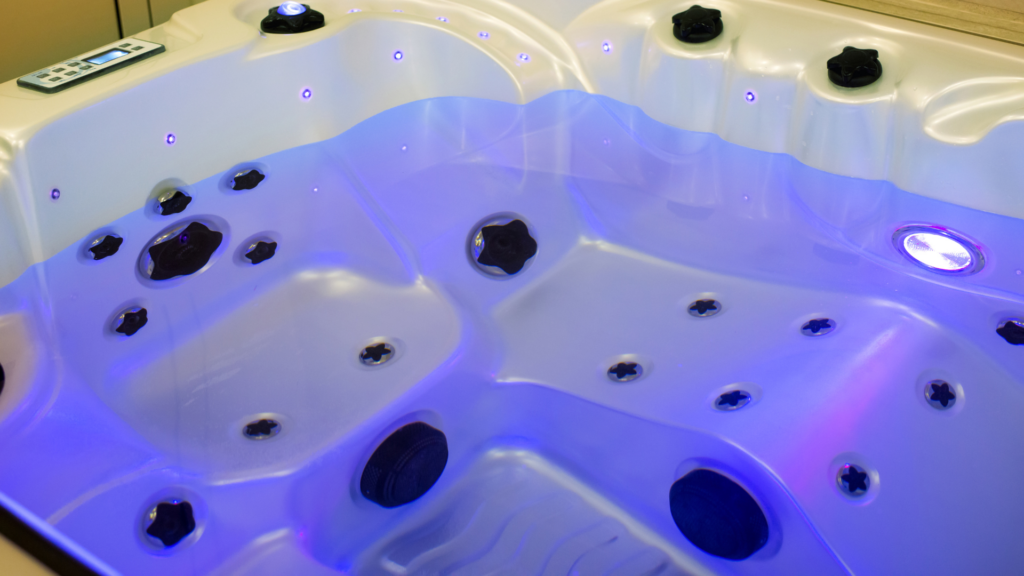
For arthritis management, jet flexibility is more valuable than sheer quantity. Adjustable jets at multiple body zones—feet, calves, knees, hips, lower back, shoulders, neck—let you customize each session to whatever is most symptomatic that day. Variable pressure control is particularly important: the right intensity changes depending on whether you’re in a flare or managing baseline stiffness.
Temperature Stability and Running Costs
When you’re using a hot tub therapeutically—potentially twice a day—the cost of maintaining temperature becomes a real consideration. Well-insulated models with efficient heating systems hold temperature steadily without constant cycling, which both ensures consistent therapy conditions and reduces monthly operating costs. At Mountain Mist Spa & Sauna, we’re happy to walk through energy efficiency ratings on different models so you can factor long-term costs into your decision.
A Tool Worth Having in Your Corner
The research supporting hydrotherapy for arthritis management is substantive and consistent across multiple study types and arthritis forms. Pain reduction, improved stiffness, better mobility, enhanced sleep, and improved quality of life are outcomes that appear repeatedly in the clinical literature—and in the lived experience of people who make hydrotherapy part of their daily routine.
A quality hot tub isn’t a cure, but for many people it becomes one of the most effective tools in managing a chronic condition that affects nearly every aspect of daily life. It’s available on your schedule, in your own home, without a copay or a commute.
If you’re considering adding hydrotherapy to your arthritis management approach, we’d encourage you to start with a conversation with your rheumatologist or primary care physician—particularly if you have other health conditions—and then come visit us at Mountain Mist Spa & Sauna at 1240 Ken Pratt Blvd #4 in Longmont. Sit in a few models, feel the jet configurations, and let us answer your questions. We’re here to help you find the right fit for your needs and your body.
Relief is possible. Let’s help you find it.