
What You Need to Know Before Installing an Outdoor Sauna
Installing an outdoor sauna is one of the most rewarding upgrades you can make to your home. Whether you’re creating a private retreat for stress relief, boosting wellness with heat therapy, or building a backyard space for year-round relaxation, an outdoor sauna transforms how you enjoy your property. But before installation begins, there are several important factors every homeowner should understand to ensure the sauna performs well, lasts for years, and fits your lifestyle.
At Mountain Mist Pool & Spa., we install outdoor saunas throughout Northern Colorado. We’ve helped hundreds of homeowners choose the right model, prepare their outdoor space, and avoid common installation mistakes. This guide breaks down everything you need to know before adding an outdoor sauna to your backyard.
1. Understand the Different Types of Outdoor Saunas
 Before anything else, it’s important to know which sauna style is right for your goals. Each type has unique heating methods, installation requirements, and user experiences.
Traditional Finnish Saunas
These use electric or wood-burning heaters to produce dry, high-heat sessions ranging from 160°F to 195°F. You can also add steam by pouring water over the rocks. They are ideal for people wanting a classic sauna experience with high heat and low humidity.
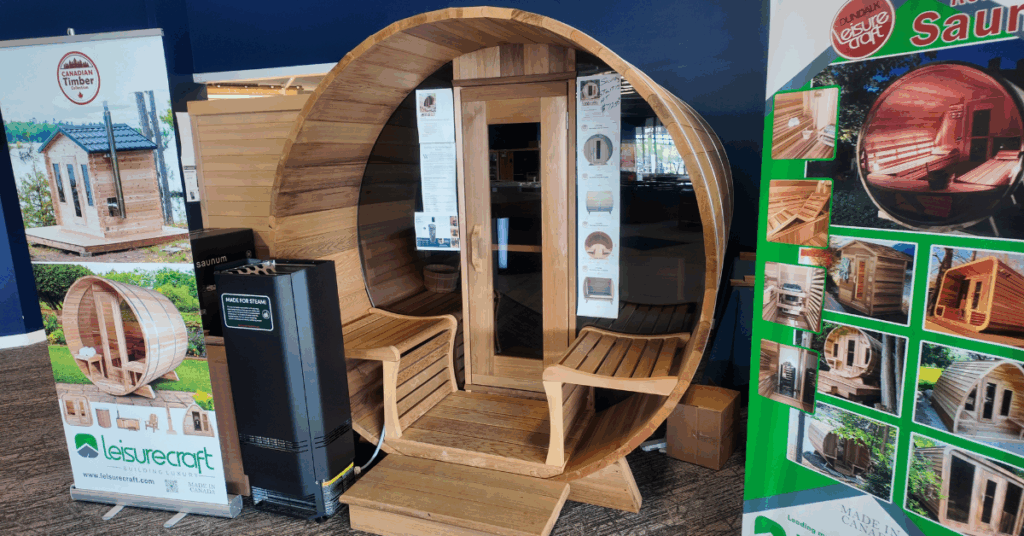
Outdoor Barrel Saunas
Barrel saunas are visually striking and known for their efficient heating design. Their curved shape reduces unused air space, allowing the sauna to warm quickly. They fit naturally in mountain, forest, and backyard settings.
Cabin-Style Outdoor Saunas
These resemble small wooden rooms or sheds and often provide more interior space than barrel saunas. They allow for benches, window configurations, and custom layouts.
Infrared Outdoor Saunas
Infrared saunas use infrared heaters to warm the body directly rather than heating the air. They require less preheat time but are less common outdoors unless specifically designed for exterior use.
Your choice should reflect how you plan to use the sauna, the climate you live in, and the level of heat intensity you prefer.
2. Choose the Right Location in Your Backyard
An outdoor sauna can be placed in several areas, but choosing the right spot ensures safety, efficiency, and long-term durability.
Distance From Your Home
Most homeowners prefer a location close enough to access quickly during winter but far enough from windows and siding to avoid excessive moisture exposure.
Stable, Level Ground
Outdoor saunas require a level, stable foundation such as:
-
A concrete pad
-
Pavers
-
A wooden deck
-
A compacted gravel base
Avoid areas with poor drainage or soft soil, which can cause structural shifting.
Wind and Weather Exposure
Placing the sauna near natural wind breaks—such as fences, trees, or structures—helps keep heat inside and reduces wear from Colorado’s strong seasonal winds.
Privacy Considerations
Because saunas are often used for relaxation, many homeowners choose locations behind landscaping, fencing, or out of direct neighbor views.
3. Understand Electrical Requirements Before Installing
Most outdoor saunas require professional electrical installation. Knowing what your model needs ahead of time helps prevent delays.
Traditional Electric Saunas
Typically require:
-
A 220-240V line
-
A dedicated breaker
-
Proper wiring run in outdoor-rated conduit
Wood-Burning Saunas
These do not require electricity for the heater but may still need power for:
-
Lighting
-
Ventilation fans
-
Optional add-ons like Bluetooth audio
Infrared Saunas
Often use lower power than traditional saunas but still require:
-
A dedicated circuit
-
Weather-appropriate wiring
Always plan electrical work in advance and use a licensed electrician familiar with outdoor installations.
4. Plan for Lighting, Ventilation, and Safety
A safe, enjoyable sauna requires more than just heat. Proper lighting, airflow, and safety considerations make a major difference.
Lighting
Exterior and interior lighting improves safety and enhances the experience. Many homeowners add:
-
Pathway lights
-
Wall-mounted outdoor lights
-
Interior sauna-safe fixtures
Ventilation
Even dry saunas need airflow to prevent mold and maintain even heating. Your sauna should include:
-
An intake vent
-
An exhaust vent
-
Adequate circulation through the heater
Safety Features
Before installation, plan for:
-
Clear pathways
-
Non-slip surfaces
-
Adequate space around the heater
-
Safety railing or heater guards
Good sauna design prioritizes comfort and safety equally.
5. Consider Climate and Insulation Needs
Colorado’s climate presents unique challenges, especially in winter. Your outdoor sauna must be built to withstand:
-
Temperature swings
-
Snow loads
-
UV exposure
-
Dry air and high-altitude conditions
High-quality outdoor saunas include:
-
Thick, insulated walls
-
Durable roofing materials
-
Weather-sealed doors
-
Proper exterior finishes
If you choose a barrel sauna, make sure the wood quality and thickness are designed for four-season climates.
6. Know the Maintenance Requirements Before Installing
Outdoor saunas are low-maintenance, but not maintenance-free. Understanding the upkeep helps you choose the right model and plan your routine.
Wood Maintenance
Exterior wood must be protected with sauna-safe sealants or oils to withstand weather. Interior wood should never be sealed—only cleaned with sauna-safe cleaners.
Heater Care
Heaters require:
-
Occasional stone replacement
-
Proper ventilation
-
Cleaning around intake areas
Structural Checks
All outdoor structures should be inspected yearly for:
-
Loose screws
-
Shingle or roof issues
-
Moisture buildup
-
Foundation stability
Knowing these needs ahead of time ensures your sauna lasts for many years.
7. Delivery and Installation Considerations
Before you purchase your sauna, consider how it will be delivered and assembled.
Access Path
The delivery crew must be able to reach your installation site with either:
-
A clear walkway
-
A backyard gate
-
A wide side yard
-
Crane delivery for tight spaces
Assembly
Outdoor saunas typically arrive as kits. Professional installation ensures:
-
Proper alignment
-
Secure wall and roof assembly
-
Correct heater installation
-
Warranty compliance
At Mountain Mist Pool & Spa, our team handles delivery, installation, and setup to ensure your sauna is built correctly from day one.
8. Budgeting for Your Outdoor Sauna
The cost of an outdoor sauna varies based on:
-
Size
-
Wood type
-
Heater style
-
Add-ons
-
Electrical work
-
Foundation preparation
We help customers choose a model that fits their budget while considering long-term durability and operating costs.
9. Why Homeowners Choose Mountain Mist Pool & Spa
We carry trusted sauna brands such as Finnleo and Leisurecraft Dundalk, known for their craftsmanship, durability, and performance in harsh climates. Our showroom team helps homeowners throughout Northern Colorado understand:
-
Which sauna fits their needs
-
What installation requirements look like
-
How to plan their project
-
What to expect in long-term ownership
We also offer:
-
Professional delivery and setup
-
Maintenance support
-
Accessories and replacement parts
-
Ongoing customer care
When you work with us, you get more than a sauna—you get a local partner dedicated to helping you enjoy the wellness benefits every day of the year.
Start Planning Your Outdoor Sauna Today
If you’re considering installing an outdoor sauna, the right preparation ensures a smooth, stress-free project and long-lasting enjoyment. When you’re ready to explore models or ask questions, visit our showroom at 1240 Ken Pratt Blvd #4, Longmont, CO 80501. Our team is here to guide you through every step—from choosing the right sauna to planning your installation.