
The History and Origins of Traditional Sauna Therapy
Saunas have become increasingly popular in recent years for their health benefits, relaxation, and overall sense of well-being. But did you know that this form of therapy has a long and rich history that dates back thousands of years? Traditional saunas, in particular, have deep-rooted origins that span across different cultures and regions, making them an integral part of our global heritage. In this blog, we’ll explore the fascinating history and origins of traditional sauna therapy.
Ancient Beginnings: The Birth of Saunas

The word “sauna” itself has Finnish origins, and it’s no surprise that the Finns have a deep connection to this form of therapy. Saunas, in their most primitive form, were born in Finland, where they were known as “savusaunas” or smoke saunas. These early saunas were quite different from what we’re familiar with today. They were dug into the ground or constructed with wooden logs, featuring a fireplace in one corner to heat the room and create the desired steam and heat. As the fire burned, it would fill the room with smoke, providing a unique and distinct sauna experience.
Ancient Rituals and Healing Practices
In ancient times, saunas were not merely a means of relaxation; they held a significant role in various cultures. Finnish saunas, for instance, were not just a place to cleanse the body but also the spirit. The Finns believed that saunas had mystical qualities, and they were often used for sacred rituals and as places to communicate with the spirits. Additionally, they were used for both physical and mental healing.
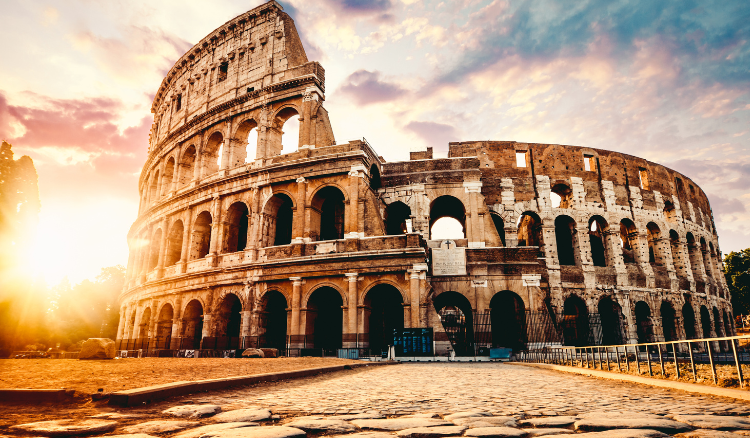
In other parts of the world, similar practices were taking place. The ancient Romans, for instance, had their own version of saunas, which they called “balnea” or “thermae.” These bathhouses were an integral part of Roman culture and were used for both hygienic and social purposes.
Saunas Across Cultures

Saunas are not unique to Finland and ancient Rome. Various forms of sauna-like structures can be found in many cultures throughout history. The Native American sweat lodges, for example, were used for purification rituals and healing ceremonies. In Japan, the “mushiburo” or steam bath has been a tradition for centuries. Russian “banyas” are also similar in function to saunas, focusing on the benefits of heat, steam, and cold plunges.
The common thread among all these cultures is the belief in the therapeutic and purifying effects of heat and steam. Whether it was a Finnish savusauna, a Roman bathhouse, or a Native American sweat lodge, the desire for relaxation, cleansing, and healing was a shared human experience that transcended geographical boundaries.
The Modern Sauna Experience

While the basic principles of sauna therapy have remained remarkably consistent throughout history, the way saunas are constructed and the materials used have evolved over time. Today, we have a wide variety of saunas to choose from, each offering a unique experience.
Traditional saunas are usually heated with wood or electric heaters and have rocks placed on top to provide that signature dry heat. These saunas are known for their high temperatures and low humidity levels, which allow for a deep, relaxing sweat. The heat promotes circulation, eases muscle tension, and offers a serene escape from the stresses of modern life.
Benefits of Traditional Sauna Therapy

The long and storied history of traditional sauna therapy underscores its enduring popularity and efficacy. Regular sauna use is associated with a range of health benefits, both physical and mental. Here are a few of the many advantages of traditional saunas:
Stress Relief:
- The soothing warmth of a traditional sauna helps relax the body and mind, reducing stress and promoting a sense of calm.
Detoxification:
- Sweating in the sauna aids in the removal of toxins from the body, leading to clearer, healthier skin and improved overall well-being.
Pain Relief:
- The heat from the sauna can alleviate muscle and joint pain, making it a popular choice for those with arthritis and other similar conditions.
Improved Circulation:
- Sauna therapy enhances blood flow, which can help reduce blood pressure and promote cardiovascular health.
Respiratory Benefits:
- Inhaling the warm, dry air in a traditional sauna can provide relief for those with respiratory issues, such as allergies or congestion.
Relaxation and Sleep:
- Regular sauna sessions can improve sleep quality and promote relaxation.
–
The history and origins of traditional sauna therapy are a testament to the enduring appeal of this ancient practice. What began as a simple hole in the ground with a fire has evolved into a diverse array of saunas that cater to a wide range of preferences and needs. Whether you prefer the dry heat of a traditional sauna, the steamy embrace of a steam sauna, or the combination of both in a dry sauna, the benefits of sauna therapy are numerous and well-documented.
So, the next time you step into a traditional sauna, take a moment to appreciate the rich history and the centuries of tradition that have led to this wonderful practice. You’re not just indulging in a relaxing experience; you’re participating in a time-honored ritual that has brought health and happiness to countless people throughout the ages.